

Sold on Stories is where we swap pushy sales tactics for stories that build audiences and earn the sale.
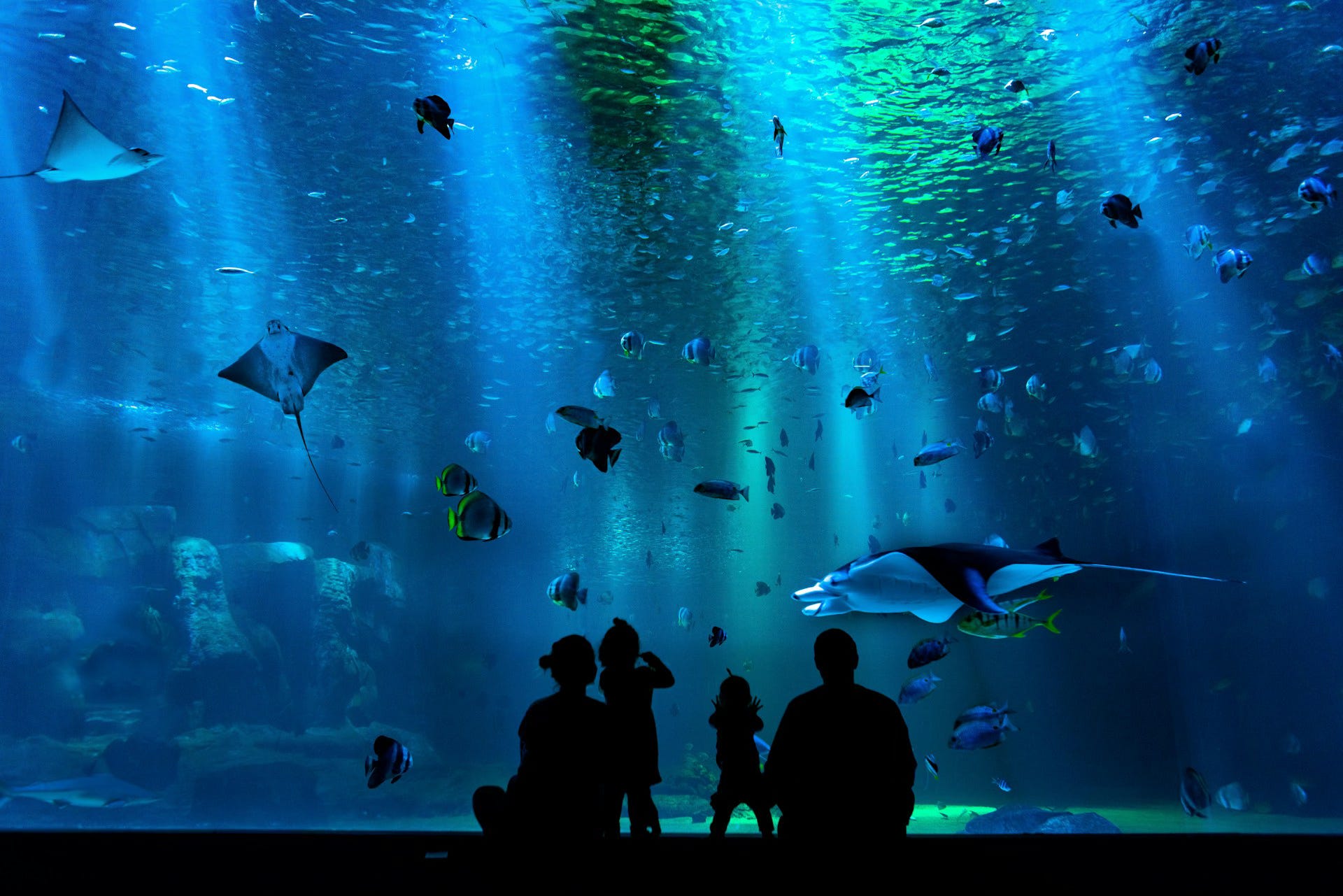
We were on our way to an aquarium. It’s our first trip there, so the kids were, of course, giggling excitedly all morning. But, 10 minutes into the journey when we settled nicely into the calm cruise of the motorway, the initial ‘yay, we are going to the aquarium’ stopped and the interrogation began – we were suddenly flooded with nervous questions:
‘What does the building look like?’
‘Are there turtles? How many?’
‘Is the car park far? Do they have a shop?’
‘Will we get a map?’
‘Will there be sharks, penguins, sea horses, ducks …?’
I tried to answer the ones I could using a brochure to help me out, but every answer spawned more questions. And the phrase ‘I don’t know, we’ll find out when we get there’ made things even worse.
I tried the ultimate thing that tends to work on our kids – changing the subject – but the overwhelm had reached the critical mass, and no amount of logic was going to ease the worried tension our car turned into.
The parent in me wanted to put the radio up to distract them, but the marketer in me couldn’t stop trying to figure out what the root of the problem was. What has made them feel so anxious about an experience they were genuinely excited about?
We parked the car, and still trying to avoid the questions, made our way to the reception. The big posters with dolphins and turtles hung tall from the ceiling. I was too busy looking for the tickets to really look at them, but the kids stopped in their tracks, paused and said, ‘Look, Mummy. A dolphin!’
Before I could answer, a friendly member of staff said to them cheerfully, ‘Here are your pink wristbands,’ which caused exactly the smiles I was hoping they would have on the way here.
By the time we walked through the main door and were standing in front of the big aquarium with clownfish, the questions got replaced with pointing out everything that fascinated them. And as we stood there admiring the clownfish’s orange stripes, I figured it out.
The challenge of selling an intangible product
The problem was that the idea of visiting an aquarium was completely invisible to them until we were there. They couldn’t hold it, touch the walls, or stand in front of the giant aquarium counting the fish. All they had up to this point was a few pictures from the brochure and a backseat full of imagination with no reference point to anchor it. The questions were their way of trying to make something invisible feel real.
This is exactly the type of challenge a prospect buying a service, a coaching programme, or a digital product is facing.
They can’t yet see the value of what they are about to buy.
They see features and what’s included, just as my kids knew that we would see animals in aquariums. What they don’t see is the change the offer promises – the future version of themselves after the experience or the training. How the skills and the knowledge they’ll gain will make their lives better.
This uncertainty is scary. Our brain is naturally risk-averse and will default to avoiding situations it’s not certain of – this is how we survived for centuries. The brain doesn’t distinguish between a saber-toothed tiger and a coaching programme it can’t evaluate. Uncertainty feels like danger.
Add to this a decision to buy, and you are faced with one of the biggest challenges of selling intangible offers. As a marketer, the big task is to describe value in a way that feels real, even though it isn’t.
If you want to learn how to sell a feeling, you could do worse than study the people who’ve turned fairy tales into a multi-billion dollar business.
Disney have been masters at storytelling for decades. Their copy is written in a way that ignites your imagination and engages all of your senses, making a fairytale feel real. But don’t take my word for it. Here is how they describe Disney experiences:
“A Disney experience is more than a story you’re told — it’s a story you live, breathe and feel. It surrounds you, immerses you, engages all your senses. It’s an open invitation to a place we long to be, where anyone is welcome and everyone believes in happily ever afters. A place where the memories you make are shared over and over again.”
And here is an example of how they do it in practice:
“Join Kevin, from the popular Disney and Pixar film Up, as she explores Discovery Island in search of her next big adventure.
She’s one rare bird! Standing 13 feet tall, she struts through Discovery Island with her Wilderness Explorer companion, greeting Guests with cheerful caws and endless enthusiasm.
Kevin is always game for fun—whether she’s preening for the camera or charming little ones with her exuberant energy. You’ll find her poking her beak into the center of the action, even if she doesn’t quite understand what’s going on!”
Notice how they used specific details that help you ‘see’ what meeting Kevin is like. They have included both physical details (13 feet tall, poking her beak) and specific descriptors such as cheerful caws and preening for the camera, that give your imagination a good indication of what to expect.
Most importantly, though, they have drawn you into a story of meeting Kevin. You can feel being part of the experience. Disney have drawn you in by mentioning the camera (that is clearly yours) and the little ones (who also belong to you), giving you a sense of ease knowing that everyone will have fun.
There is no uncertainty here, only a definite picture of how the intangible will become a reality.
I understand now that my kids didn’t need to know that there will be clownfish to see. Instead, they needed to ‘see’ how the deep blue background of the aquarium and the fluorescent light made the orange glow, and how, from afar, the tank looks like it is full of twinkling lights.
When your prospect is considering whether or not to buy your product, they are sitting in the back seat, asking questions. They’re trying to make something invisible feel real before they commit to it. They are looking for detail that will give them the confidence that clicking ‘buy’ is the right choice. The detail that lets their imagination go somewhere safe instead of somewhere uncertain.
The best way to do that is with stories.
And you already have the stories you need. You already know what the value of your service feels like. Now you need to tell it. Deliberately and in service of someone who needs to see the clownfish before they’ll believe the aquarium is worth the journey.
What detail would make your offer feel real?
I’d love to know – leave a comment.